
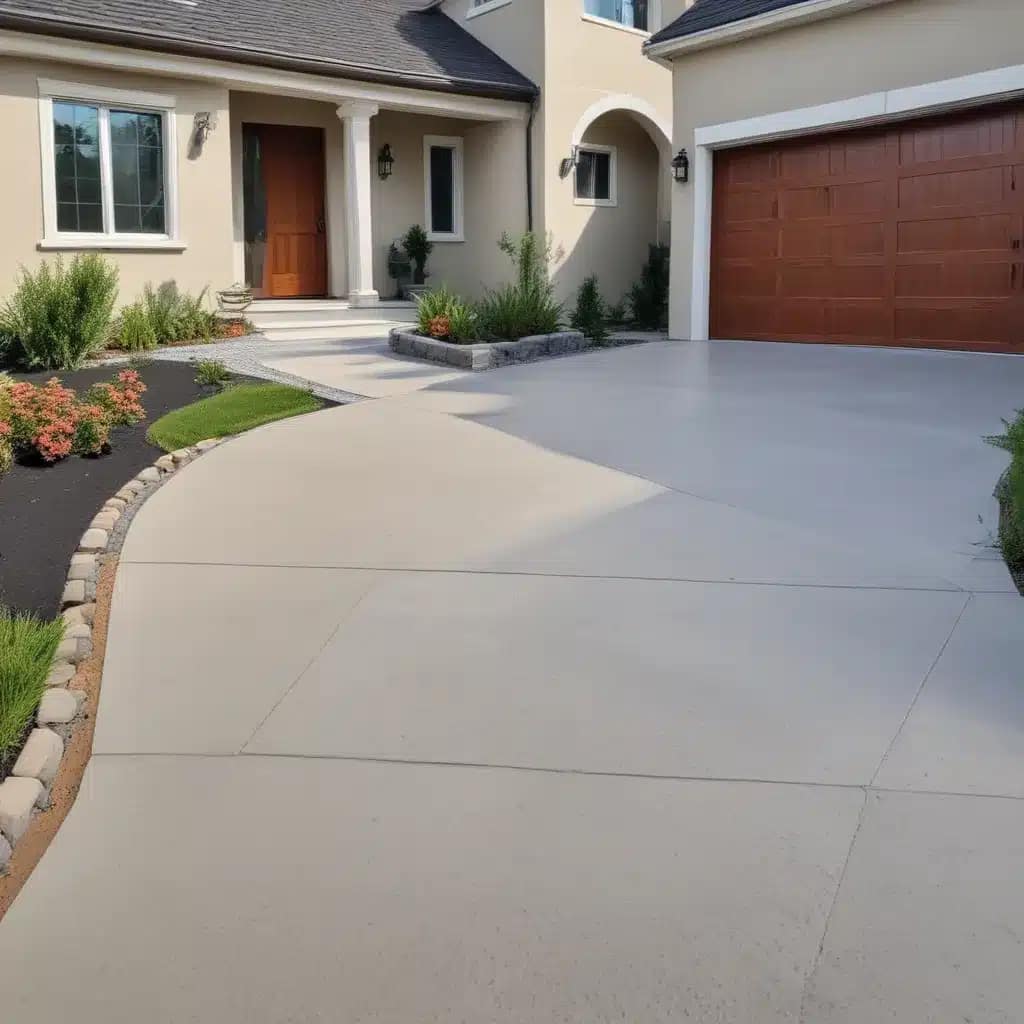
Choosing the right material for your driveway is a big decision—especially in Omaha, where weather extremes can test the durability of any surface. From freezing winters and snow to hot, humid summers, your driveway needs to handle it all while still looking good and adding value to your home.
Two of the most popular options are concrete and asphalt. Both have their strengths, but which one is truly best for your Omaha driveway? Let’s break it down.
Understanding Omaha’s Climate Impact on Driveways
Before comparing materials, it’s important to understand Omaha’s climate:
- Freezing winters with snow and ice
- Freeze–thaw cycles that cause cracking
- Hot summers that can soften surfaces
- Occasional heavy rain and storms
These conditions directly affect how long your driveway lasts and how much maintenance it needs.
Concrete Driveways: Pros & Cons
Advantages of Concrete
1. Long Lifespan
Concrete driveways can last 30–40 years when installed correctly—making them a long-term investment.
2. High Durability
Concrete handles heavy vehicles well and doesn’t soften in summer heat, which is ideal for Omaha’s warmer months.
3. Low Maintenance
With occasional sealing and cleaning, concrete requires minimal upkeep compared to asphalt.
4. Clean, Premium Look
Concrete offers a sleek appearance and can be customized with:
- Stamped finishes
- Decorative textures
- Light color tones
5. Adds Property Value
Concrete driveways often boost curb appeal and resale value.
Disadvantages of Concrete
- Higher upfront cost
- Can crack if not properly installed or maintained
- Repairs are more noticeable than asphalt
Asphalt Driveways: Pros & Cons
Advantages of Asphalt
1. Lower Initial Cost
Asphalt is more budget-friendly upfront, making it popular for homeowners looking for quick installation.
2. Faster Installation
Most asphalt driveways can be used within 24–48 hours after installation.
3. Flexible Surface
Asphalt handles freeze–thaw cycles better initially due to its flexibility.
4. Easier Repairs
Cracks and patches blend more easily than concrete repairs.
Disadvantages of Asphalt
- Shorter lifespan (15–20 years)
- Requires regular sealing
- Can soften and rut in extreme heat
- Fades and cracks faster without maintenance
Concrete vs. Asphalt: Side-by-Side Comparison
| Feature | Concrete | Asphalt |
|---|---|---|
| Lifespan | 30–40 years | 15–20 years |
| Initial Cost | Higher | Lower |
| Maintenance | Low | Moderate–High |
| Heat Resistance | Excellent | Moderate |
| Cold Resistance | Good (with sealing) | Good initially |
| Appearance | Clean & modern | Classic black |
| Property Value | Higher | Moderate |
Which Is Better for Omaha Driveways?
Choose Concrete if:
- You want long-term durability
- You prefer low maintenance
- You value curb appeal and home value
- You plan to stay in your home for many years
Choose Asphalt if:
- You’re on a tighter budget
- You need quick installation
- You’re okay with regular maintenance
- You prefer easier short-term repairs
Maintenance Tips for Omaha Homeowners
No matter which material you choose, proper care is key:
For Concrete:
- Seal every 2–3 years
- Avoid de-icing chemicals with salt
- Clean oil stains early
For Asphalt:
- Seal every 1–2 years
- Repair cracks quickly
- Avoid heavy loads in summer heat
Final Verdict: Concrete or Asphalt?
There’s no one-size-fits-all answer. Concrete is ideal for homeowners looking for longevity and premium appeal, while asphalt works well for those seeking affordability and quicker installation.
For Omaha’s climate, professional installation and proper maintenance matter more than the material itself.
Get Expert Advice for Your Omaha Driveway
Still unsure which option fits your property and budget? A local professional can assess your needs and recommend the best solution.
Schedule a free driveway consultation today and get expert guidance tailored to your Omaha home.